Knee Osteoarthritis Treatment in Delhi NCR | Knee Arthritis Braces & Orthotics
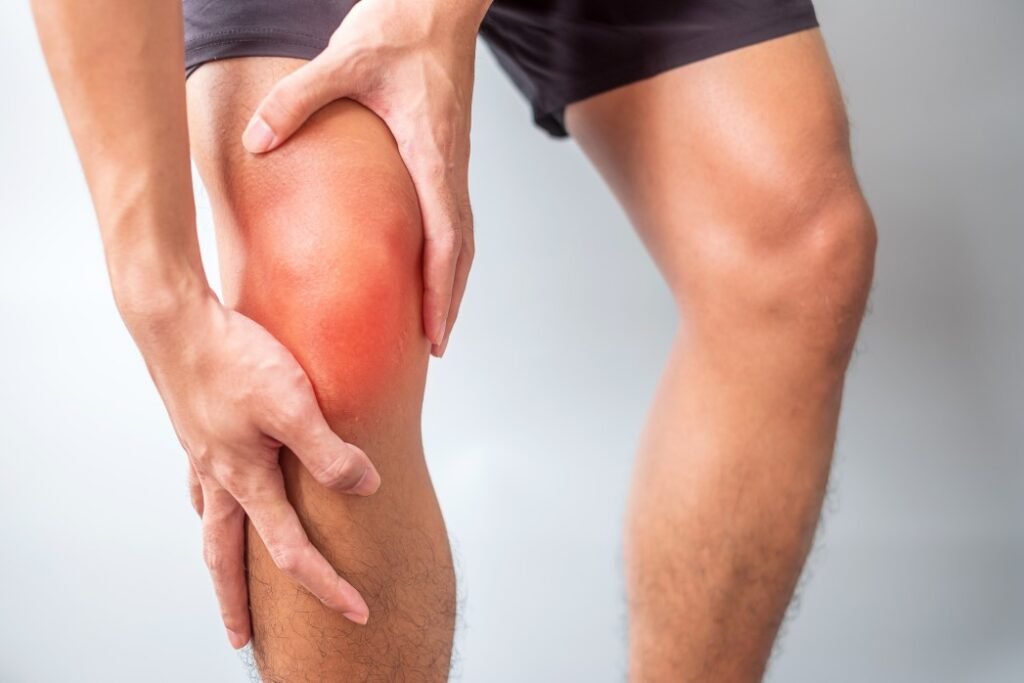
Expert Knee Arthritis Care with Custom Knee Braces, Orthotics & Gait Analysis

Knee osteoarthritis (OA) is the most common form of arthritis affecting the knee joint. It develops gradually as the protective cartilage cushioning the ends of the bones wears away, causing the bones to rub against each other. This leads to pain, stiffness, swelling, reduced mobility, and difficulty performing everyday activities.Although knee osteoarthritis is a progressive condition, early diagnosis and conservative treatment can significantly reduce pain, improve function, and help delay the need for surgery.

At Revamp Healthcare, we specialize in comprehensive, non-surgical management of knee osteoarthritis through advanced gait analysis, custom knee braces, orthotic solutions, rehabilitation guidance, and personalized treatment plans designed to keep you active and independent.

What is Knee Osteoarthritis?

Knee osteoarthritis is a degenerative joint disease in which the cartilage that cushions your knee gradually breaks down. Healthy cartilage allows the bones to glide smoothly during movement while absorbing shock from walking, climbing stairs, and other daily activities.As cartilage wears away, the bones begin rubbing together, resulting in inflammation, pain, stiffness, reduced flexibility, and eventually bone spur formation.
Although osteoarthritis is commonly associated with ageing, it may also develop after previous injuries, obesity, repetitive stress on the knee, or abnormal leg alignment.

Stages of Knee Osteoarthritis

Knee osteoarthritis develops gradually over time.

Stage 1 – Minor

  • Mild cartilage wear
  • Usually no noticeable symptoms
  • Early joint changes begin

Stage 2 – Mild

  • Mild knee pain after activity
  • Occasional stiffness
  • Cartilage still provides adequate cushioning

Stage 3 – Moderate

  • Significant cartilage loss
  • Pain during walking, climbing stairs, squatting, or kneeling
  • Joint stiffness after prolonged sitting
  • Swelling becomes more common

Stage 4 – Severe

  • Nearly complete cartilage loss
  • Bone-on-bone friction
  • Severe pain
  • Limited mobility
  • Difficulty performing routine activities
  • Knee replacement may be considered if conservative treatments fail

Symptoms of Knee Osteoarthritis

  • Persistent knee pain
  • Pain during walking or climbing stairs
  • Morning stiffness
  • Stiffness after prolonged sitting
  • Swelling around the knee
  • Grinding or cracking sounds (crepitus)
  • Reduced range of motion
  • Knee weakness
  • Feeling that the knee may “give way”
  • Difficulty squatting or kneeling
  • Pain during weight-bearing activities
  • Joint tenderness
  • Difficulty standing for long periods

What Causes Knee Osteoarthritis?

Osteoarthritis develops when the protective cartilage gradually wears away faster than the body can repair it.

Common causes include:

  • Age-related wear and tear
  • Previous knee injuries
  • Meniscus tears
  • Ligament injuries
  • Fractures involving the knee
  • Repetitive stress from work or sports
  • Obesity
  • Poor lower limb biomechanics
  • Abnormal knee alignment
  • Family history of osteoarthritis
  • Joint malformations
  • Metabolic disorders affecting bone health

Risk Factors

  • Are over 50 years of age
  • Are overweight or obese
  • Have had previous knee injuries
  • Frequently kneel or squat at work
  • Participate in high-impact sports
  • Have bow legs or knock knees
  • Have flat feet causing altered biomechanics
  • Have a family history of osteoarthritis
  • Are female
  • Have muscle weakness around the knee

When Should You See a Specialist?

Schedule an assessment if you experience:

  • Knee pain lasting more than a few weeks
  • Morning stiffness
  • Swollen knee joints
  • Difficulty climbing stairs
  • Knee instability
  • Grinding or clicking sounds
  • Reduced walking distance
  • Pain that interferes with daily activities
  • Previous knee injury with ongoing symptoms

How is Knee Osteoarthritis Diagnosed?

Our evaluation includes:

  • Detailed medical history
  • Physical examination
  • Knee alignment assessment
  • Walking and gait analysis
  • Range of motion testing
  • Joint stability evaluation
  • Assessment of muscle strength
  • Digital foot pressure analysis when indicated

Imaging studies may include:

  • Weight-bearing X-rays
  • MRI (when soft tissue assessment is required)
  • CT scan in selected cases

Knee Osteoarthritis Treatment at Revamp Healthcare

Treatment depends on your symptoms, activity level, and stage of arthritis.

Patient Education

Treatment depends on your symptoms, activity level, and stage of arthritis.aUnderstanding your condition helps you make informed decisions and manage symptoms more effectively.

Activity Modification

Simple changes in daily activities can reduce unnecessary stress on the knee without limiting mobility.

Weight Management

Even modest weight loss significantly reduces pressure on the knee joint and may improve pain and function.

Physiotherapy & Rehabilitation

Targeted exercises help:

  • Strengthen the quadriceps
  • Improve flexibility
  • Enhance balance
  • Increase joint stability
  • Improve walking mechanics

Custom Orthotics

Abnormal foot mechanics often increase stress on the knee. Custom orthotic insoles help improve lower limb alignment and reduce excessive forces transmitted to the knee.

Knee Bracing

Properly selected knee braces can reduce pain, improve stability, and help patients remain active

Pain Management

Healthcare providers may recommend medications or injections depending on symptom severity.

Surgical Referral

When conservative treatments no longer provide adequate relief, referral for orthopedic evaluation may be recommended. Surgical options may include osteotomy, partial knee replacement, or total knee replacement.

How Knee Braces Help in Osteoarthritis

One of the most effective conservative treatments for selected patients is using an appropriately fitted knee brace.

Compression Knee Sleeves

These elastic sleeves provide gentle compression that:

  • Reduces swelling
  • Improves comfort
  • Enhances joint awareness (proprioception)
  • Supports mild osteoarthritis

They are ideal for early-stage arthritis and everyday activities.

Hinged Knee Braces

Hinged braces provide additional support by stabilizing the knee during movement.

Benefits include:

  • Improved side-to-side stability
  • Reduced feeling of knee buckling
  • Better confidence while walking (proprioception)
  • Support for moderate arthritis

Unloader Knee Braces

Unloader braces are specifically designed for patients with arthritis affecting one side of the knee.

These braces:

  • Shift body weight away from the damaged portion of the joint
  • Reduce pain while walking
  • Improve function during daily activities
  • Help delay surgery in suitable patients
  • Work best when combined with exercise and rehabilitation

Clinical research has shown that compartment-specific unloading braces, when combined with exercise and patient education, can improve pain and functional outcomes in individuals with knee osteoarthritis.designed for patients with arthritis affecting one side of the knee.

Lifestyle Tips for Managing Knee Osteoarthritis

  • Maintaining a healthy body weight
  • Exercising regularly
  • Strengthening thigh muscles
  • Choosing low-impact activities such as swimming or cycling
  • Wearing supportive footwear
  • Avoiding prolonged kneeling
  • Taking regular movement breaks during work
  • Using assistive devices when recommended

Why Early Treatment Matters

Without appropriate management, knee osteoarthritis may lead to:

  • Progressive cartilage loss
  • Bone spurs
  • Joint instability
  • Chronic pain
  • Reduced mobility
  • Muscle weakness
  • Baker’s cyst formation
  • Early intervention can improve quality of life and help maintain independence.

Why Choose Revamp Healthcare?

At Revamp Healthcare, we focus on evidence-based conservative care for knee osteoarthritis.

Our services include:

  • Comprehensive knee assessment
  • Advanced gait analysis
  • Digital foot pressure evaluation
  • Custom orthotic insoles
  • Knee brace prescription and fitting
  • Rehabilitation guidance
  • Personalized treatment plans
  • Referral coordination when surgical evaluation is needed

Frequently Asked Questions

What is knee osteoarthritis?

Knee osteoarthritis is a degenerative joint disease in which the protective cartilage inside the knee gradually wears away, leading to pain, stiffness, swelling, and reduced mobility.

Can knee osteoarthritis be cured?

There is currently no cure for osteoarthritis. However, early treatment, exercise, weight management, knee braces, and custom orthotics can effectively reduce symptoms and slow disease progression.

Are knee braces effective for osteoarthritis?

Yes. Properly fitted knee braces can reduce pain, improve stability, redistribute pressure away from damaged cartilage, and make walking more comfortable, especially when combined with exercise therapy.

Which knee brace is best for osteoarthritis?

The ideal brace depends on the severity and location of arthritis. Compression sleeves may help mild OA, hinged braces provide additional stability, and unloader braces are often recommended for arthritis affecting one side of the knee.

Can custom orthotics help knee arthritis?

Yes. Custom orthotics improve foot alignment and walking mechanics, which can reduce abnormal stress on the knee joint and improve overall comfort during daily activities.

Is walking good for knee osteoarthritis?

Yes. Low-impact walking is generally beneficial for most people with knee osteoarthritis. Regular movement helps maintain joint flexibility, strengthen muscles, and reduce stiffness. Your healthcare provider can advise on an appropriate activity level based on your symptoms.

Will I eventually need knee replacement surgery?

Not necessarily. Many people successfully manage knee osteoarthritis for years with conservative treatments such as exercise, weight management, knee braces, orthotics, and rehabilitation. Surgery is usually considered only when symptoms become severe and significantly affect quality of life.

Last Update

Reviewed By Dr Mohit Sharma - Clinical Head, Podiatrist, Foot Care Specialist on 22 July 2026

Book Your Appointment

Book a foot assessment with our team in Dwarka and get a clear answer on what’s causing your pain — and a plan to actually fix it.