Tibialis Posterior Tendinopathy & Posterior Tibialis tendon Dysfunction (PTTD) : Causes, Symptoms & Treatment in Dwarka, Delhi
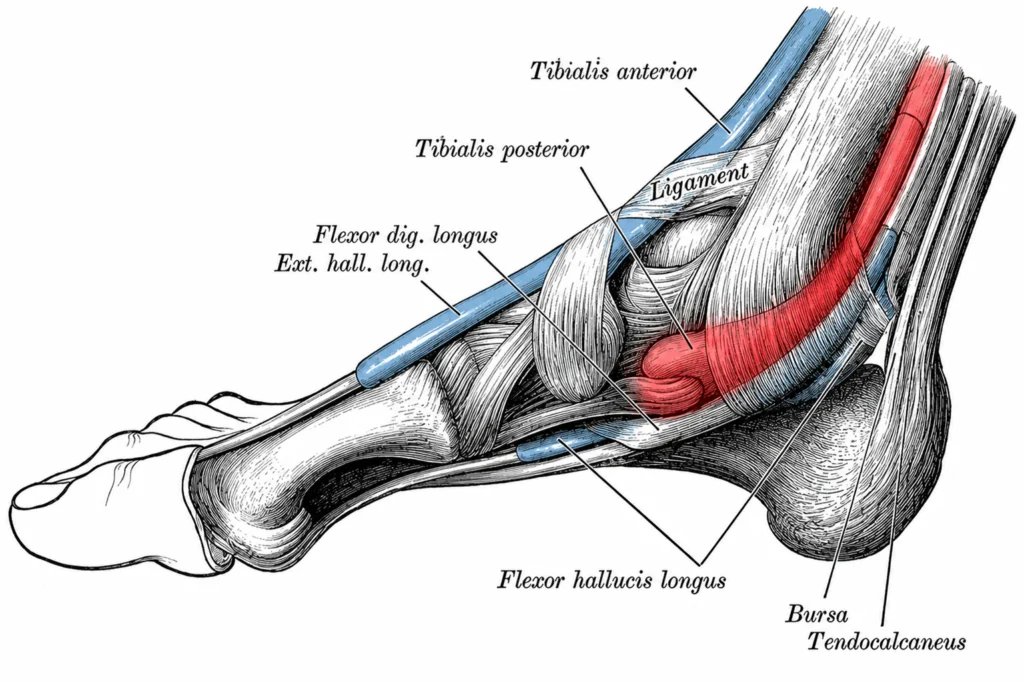
image showing locationof tibialis posterior tendon

What is Posterior Tibial Tendinopathy?

Posterior Tibial Tendinopathy is a condition where the posterior tibial tendon, located along the inside of the ankle, becomes irritated or weakened due to repeated stress. This tendon plays a vital role in supporting the arch of the foot and maintaining stability while walking or running.If left untreated, the tendon can gradually weaken, leading to posterior tibial tendon dysfunction (PTTD), flattening of the foot arch, and progressive adult-acquired flatfoot.

Symptoms to Watch For

  • Pain along the inside of the ankle or arch
  • Swelling around the inner ankle
  • Tenderness when pressing over the tendon
  • Pain while walking, running, climbing stairs, or standing for long periods
  • Difficulty performing a single-leg heel raise
  • Weakness in the foot or ankle
  • Gradual flattening of the foot arch in advanced cases

Causes & Risk Factors

  • Sudden increase in running or exercise
  • High-impact sports
  • Flat feet or overpronation
  • Unsupportive footwear
  • Tight calf muscles
  • Excess body weight
  • Standing or walking for prolonged periods
  • Previous foot or ankle injuries
  • Diabetes or inflammatory arthritis
  • Smoking

When to See a Podiatrist

Seek professional assessment if you experience:

  • Pain lasting more than two weeks
  • Persistent swelling around the inside of the ankle
  • Difficulty walking or standing
  • Increasing flattening of the foot arch
  • Pain that limits sports or daily activities

Early treatment helps prevent long-term tendon damage and reduces the risk of developing adult-acquired flatfoot.

How is it Diagnosed?

Diagnosis is primarily based on your symptoms and a detailed clinical examination.

Your clinician may assess:

  • Tenderness along the tendon
  • Swelling around the ankle
  • Foot posture and arch height
  • Walking pattern
  • Single-leg heel raise ability
  • Muscle strength and ankle movement

If needed, an ultrasound or MRI may be recommended to evaluate tendon damage. Imaging supports the diagnosis but should always be interpreted alongside the clinical examination.

How Treatment Works

Most patients improve without surgery when treatment begins early.

Treatment may include:

  • Activity modification
  • Ice and pain management
  • Supportive footwear
  • Custom foot orthotics
  • Ankle brace or walking boot (when required)
  • Stretching and strengthening exercises
  • Progressive physiotherapy
  • Gait and biomechanical correction
  • Gradual return to sports and daily activities

Surgery is usually considered only when conservative treatment fails or significant tendon damage and foot deformity have developed.

Recovery

Most people improve with non-surgical care; surgery is reserved for cases that don't respond to conservative treatment.

  • Mild cases often improve within 6–12 weeks.
  • Moderate tendon injuries may require 3–4 months of rehabilitation.
  • Advanced cases or those requiring surgery generally take longer to recover.

Frequently Asked Questions

Can Posterior Tibial Tendinopathy heal without surgery?

Yes. Most cases respond well to conservative treatment, including activity modification, physiotherapy, supportive footwear, and custom orthotics. Surgery is usually considered only when symptoms persist despite treatment or when significant tendon damage has occurred.

How long does Posterior Tibial Tendinopathy take to heal?

Recovery varies depending on the severity of the condition. Mild cases often improve within 6–12 weeks, while more advanced cases may require 3–6 months of rehabilitation. Consistently following your treatment plan is essential for the best outcome.

What happens if Posterior Tibial Tendinopathy is left untreated?

Without treatment, the tendon can gradually weaken, causing the arch of the foot to collapse. This may lead to Posterior Tibial Tendon Dysfunction (PTTD), adult-acquired flatfoot, chronic pain, and difficulty walking.

Are custom orthotics helpful for Posterior Tibial Tendinopathy?

Yes. Custom orthotics can help support the arch, reduce strain on the posterior tibial tendon, improve foot alignment, and relieve pain. They are often recommended alongside strengthening exercises and supportive footwear.


When should I see a specialist for Posterior Tibial Tendinopathy?

You should seek medical evaluation if pain on the inside of your ankle or foot lasts for more than a few weeks, worsens with activity, is accompanied by swelling, or if you notice your foot arch flattening. Early diagnosis and treatment can help prevent long-term complications.

Can I continue running or exercising with Posterior Tibial Tendinopathy?

High-impact activities such as running or jumping should usually be reduced until pain improves. Low-impact exercises and a structured rehabilitation program can help you return to activity safely while minimizing the risk of re-injury.

Last Update

Reviewed By Dr Mohit Sharma - Clinical Head, Podiatrist, Foot Care Specialist on 22 July 2026

Book Your Appointment

Book a foot assessment with our team in Dwarka and get a clear answer on what’s causing your pain — and a plan to actually fix it.