Runner's Knee Treatment in Dwarka, Delhi NCR | Patellofemoral Pain Specialist | Revamp Healthcare
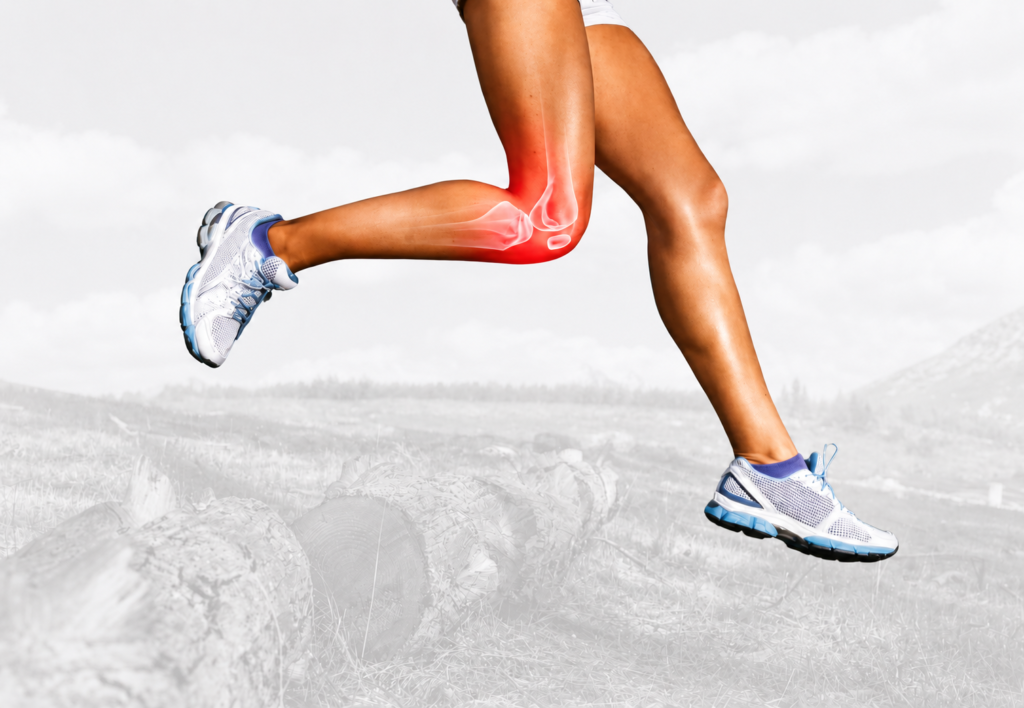
image showing pain areas in runner knee

Knee Pain While Running, Climbing Stairs or Squatting?

Pain around the front of the knee or behind the kneecap is one of the most common causes of knee discomfort in active adults and athletes. This condition is known as Patellofemoral Pain Syndrome (PFPS), commonly called Runner's Knee. Despite its name, runner's knee doesn't only affect runners—it can occur in anyone due to overuse, muscle weakness, poor biomechanics, or abnormal foot alignment.

At Revamp Healthcare, we evaluate the entire lower limb, from your feet to your hips, to identify the underlying cause of your knee pain. Through gait analysis, biomechanical assessment, custom orthotics, knee bracing, and rehabilitation guidance, we help reduce pain and improve long-term knee function.

What is Runner's Knee (Patellofemoral Pain Syndrome)?

Patellofemoral Pain Syndrome (PFPS) is a condition that causes pain around or behind the kneecap (patella), where it moves over the lower end of the thigh bone (femur). The pain develops when excessive stress is placed on the patellofemoral joint due to overuse or abnormal movement patterns.

Runner's Knee is the common name for PFPS because it frequently affects runners and athletes, but it can also occur in people who rarely participate in sports.

Signs and Symptoms of Knock Knees

Symptoms typically develop gradually and may include:

  • Pain around or behind the kneecap
  • Pain while climbing or descending stairs
  • Knee pain during running or after exercise
  • Discomfort after prolonged sitting (“Moviegoer’s Knee”)
  • Pain while squatting, kneeling or lunging
  • Clicking, grinding or popping sensation
  • Mild swelling around the knee
  • Tenderness around the kneecap
  • Feeling of instability during activity

The pain is usually worse during activities that repeatedly bend the knee under load.

Causes of Runner's Knee

Runner's knee usually develops from a combination of factors rather than a single injury. Common causes include:

  • Repetitive running, jumping or stair climbing
  • Sudden increase in training intensity or mileage
  • Weak quadriceps, hip or gluteal muscles
  • Tight hamstrings, calves or iliotibial (IT) band
  • Flat feet or excessive foot pronation
  • Poor kneecap tracking
  • Knock knees or abnormal lower limb alignment
  • Improper footwear
  • Previous knee injury
  • Excess body weight increasing stress on the knee

Risk Factors

Runner’s knee is common in:

  • Runners and marathon athletes
  • Cyclists
  • Football and basketball players
  • Dancers
  • Individuals with flat feet
  • People with weak hip or thigh muscles
  • Women, due to differences in lower limb alignment
  • Individuals whose jobs involve frequent kneeling or stair climbing

Diagnosis

A proper diagnosis helps identify why excessive stress is being placed on the kneecap.

Your assessment include:

  • Detailed medical history
  • Physical examination
  • Knee alignment assessment
  • Muscle strength and flexibility testing
  • Foot posture evaluation
  • Gait analysis
  • Running biomechanics (when applicable)
  • X-rays or MRI if structural abnormalities are suspected

At Revamp Healthcare, we assess both the knee and the foot because abnormal foot mechanics often contribute to persistent knee pain.

Treatment for Runner's Knee

Most patients recover successfully without surgery.

Treatment may include:

  • Activity modification
  • Quadriceps and hip strengthening exercises
  • Physiotherapy
  • Stretching tight muscles
  • Knee braces
  • Footwear modification
  • Custom foot orthoses (insoles)

Knee Bracing

PFPS often develops when the kneecap does not move smoothly within its groove, leading to increased stress on the cartilage and surrounding tissues. A properly selected knee brace can:

  • Improve patellar tracking and alignment
  • Reduce pressure on the kneecap during movement
  • Enhance knee stability and confidence during activity
  • Decrease pain while walking, climbing stairs, or exercising
  • Allow patients to continue rehabilitation exercises more comfortably

Many individuals experience significant symptom relief when bracing is combined with targeted strengthening of the quadriceps, hip muscles, and core.

How Custom Insoles Can Help

Not every case of runner's knee originates in the knee itself. Flat feet, excessive pronation, and poor foot biomechanics can alter the alignment of the entire lower limb, increasing stress on the patellofemoral joint with every step.

Custom foot orthoses are designed after assessing your foot structure, walking pattern, and lower limb mechanics. They help improve alignment from the ground up, reducing abnormal forces transmitted to the knee.

Footwear Advice

Supportive footwear plays an important role in maintaining proper lower limb alignment, especially when used alongside custom orthotics.

Why Choose Revamp Healthcare?

  • Comprehensive biomechanical assessment
  • Digital gait analysis
  • Custom foot orthotics
  • Advanced knee bracing solutions
  • Evidence-based rehabilitation
  • Personalized treatment plans
  • Focus on non-surgical management whenever possible

Frequently Asked Questions

Is Runner's Knee the same as Patellofemoral Pain Syndrome?

Yes. Runner’s Knee is the common name for Patellofemoral Pain Syndrome (PFPS). Although it is frequently seen in runners, the condition can affect anyone due to overuse, muscle weakness, poor biomechanics, or abnormal lower limb alignment.

Can custom insoles help Runner's Knee?

Yes, especially if your knee pain is related to flat feet, excessive pronation, or poor foot mechanics. Custom insoles help improve lower limb alignment, reduce abnormal stress on the kneecap, and complement physiotherapy and strengthening exercises.

Are custom insoles better than over-the-counter insoles?

Over-the-counter insoles may provide basic cushioning, but custom orthotics are designed specifically for your foot shape, gait, and biomechanics. They provide more precise support and are often recommended for persistent or recurrent runner’s knee.

Can flat feet cause Runner's Knee?

Yes. Flat feet can alter the alignment of the foot, ankle, and knee, increasing stress on the patellofemoral joint. Correcting excessive pronation with appropriate footwear or custom orthotics may help reduce knee pain.

How long does Runner's Knee take to recover?

Recovery varies depending on the severity of symptoms and adherence to treatment. Mild cases may improve within a few weeks, while long-standing cases can take several months. Early diagnosis and biomechanical correction often improve recovery outcomes.

When should I see a specialist?

You should seek professional evaluation if knee pain persists for more than a few weeks, interferes with walking or sports, is associated with swelling or instability, or does not improve with rest and home care. Early assessment can help prevent chronic pain and guide the most appropriate treatment plan.

Last Update

Reviewed By Dr Mohit Sharma - Clinical Head, Podiatrist, Foot Care Specialist on 22 July 2026

Book a Knee Assessment

If you have knee pain, or difficulty walking, early evaluation can help prevent future complications.